
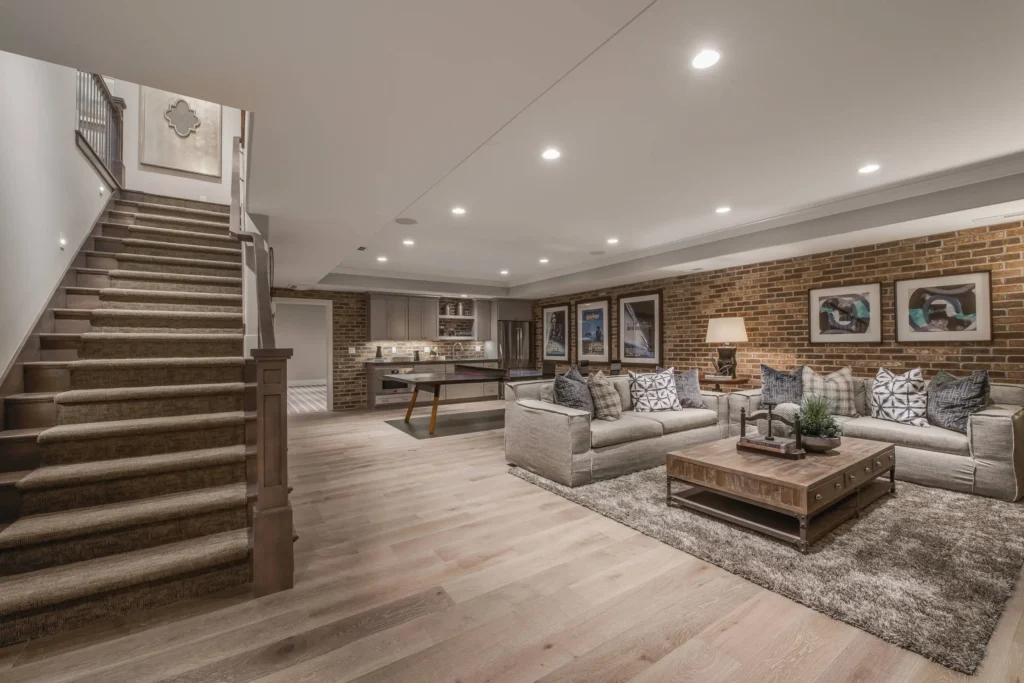
Renovating your basement is an excellent way to increase your home’s usable space, whether it’s for a family room, home office, or guest suite. However, without proper planning, basements can become energy-draining areas that significantly impact your utility bills. By incorporating energy-efficient solutions into your basement renovation, you not only save money but also contribute to a more sustainable future.
In this blog, we’ll explore the key considerations and energy-efficient strategies for transforming your basement into an eco-friendly, cost-effective living space.
Why Focus on Energy Efficiency for Your Basement?
Basements are inherently challenging spaces when it comes to energy efficiency. Below are some common issues and why focusing on efficiency matters:
- Thermal Loss: Basements are often poorly insulated, leading to significant heat loss.
- Moisture Issues: Poor sealing and waterproofing allow moisture to enter, reducing energy efficiency.
- Lighting Needs: Limited natural light means artificial lighting plays a crucial role in energy consumption.
- Environmental Impact: Energy-efficient upgrades reduce your home’s carbon footprint.
By addressing these issues during renovations, you’ll create a comfortable, energy-efficient basement that adds value to your home.
Key Considerations for Energy-Efficient Basement Renovations
1. Insulation and Air Sealing
Proper insulation is a cornerstone of energy efficiency in any space. Basements, with their below-grade positioning, require special attention:
- Walls: Use rigid foam insulation or spray foam for basement walls to create a strong thermal barrier. Insulate rim joists and gaps to eliminate drafts.
- Floors: Add insulated subfloor panels to reduce heat loss through concrete floors.
- Air Sealing: Apply caulk and weatherstripping around windows, doors, and pipes to prevent air leaks. Seal small cracks in walls and floors with an expandable foam sealant.
2. Moisture Control
Moisture control isn’t just vital for energy efficiency; it also ensures the longevity of your renovations:
- Waterproof the Basement: Apply waterproofing membranes or coatings to walls and floors to keep moisture out.
- Install a Vapor Barrier: Place a vapor barrier under flooring to prevent water vapor from seeping through the concrete.
- Dehumidifiers: Consider energy-efficient dehumidifiers to maintain optimal humidity levels (30–50%) year-round.
3. Efficient Heating and Cooling
Temperature regulation is key to creating a comfortable basement environment:
- Ductless Heat Pumps: Ductless mini-splits are ideal for basements, offering efficient heating and cooling without requiring extensive ductwork.
- Radiant Floor Heating: A more energy-efficient option than traditional forced-air systems, radiant heating provides consistent warmth from the ground up.
- Smart Thermostats: Install a smart thermostat to manage basement temperatures and reduce energy waste when the space is unused.
4. Lighting Upgrades
Basements typically lack natural light, making energy-efficient lighting critical:
- LED Bulbs: Use LED bulbs, which consume significantly less energy than incandescent or fluorescent options and have a longer lifespan.
- Layered Lighting: Combine overhead fixtures, task lighting, and accent lighting to create a well-lit space without relying on high-powered fixtures.
- Smart Lighting: Add motion sensors or smart lighting systems to turn off lights automatically when the basement is unoccupied.
5. Energy-Efficient Windows and Doors
Replacing or upgrading windows and doors is another effective way to boost efficiency:
- Insulated Windows: Choose energy-efficient double- or triple-pane windows with low-emissivity (low-E) coatings to prevent heat loss.
- Seal Existing Windows: If replacement isn’t feasible, use weatherstripping or caulking to enhance the performance of existing windows.
- Energy-Efficient Doors: Opt for insulated steel or fiberglass exterior doors that keep the cold out and reduce drafts.
Energy-Efficient Materials for Basement Renovations
Incorporating eco-friendly, energy-efficient materials is a smart choice for long-term savings and sustainability:
- Recycled Insulation: Use products made from recycled fibers, such as cellulose insulation, for an eco-friendly option.
- Energy Star Appliances: If adding a kitchenette or laundry space, choose Energy Star-rated appliances that consume less energy.
- Sustainable Flooring: Select bamboo, cork, or engineered wood flooring, all of which are environmentally friendly and insulating.
Additional Energy-Saving Features to Consider
1. Solar-Powered Ventilation
Install a solar-powered vent fan to improve airflow and reduce the need for electrical cooling systems.
2. Tankless Water Heaters
A tankless water heater is compact and only heats water on demand, reducing energy waste and saving valuable basement space.
3. Home Automation Systems
Incorporate smart home systems to automate lighting, heating, cooling, and other features, allowing you to optimize energy usage.
4. Green Walls
Consider adding green walls or indoor plants to improve air quality naturally while enhancing insulation properties.
Benefits of Energy-Efficient Basement Renovations
- Lower Utility Bills: Improved insulation, lighting, and appliances lead to noticeable savings.
- Improved Comfort: Temperature regulation ensures your basement remains warm in winter and cool in summer.
- Increased Home Value: Buyers are increasingly looking for energy-efficient homes, making this a smart investment.
- Reduced Environmental Impact: Using sustainable materials and reducing energy consumption minimizes your carbon footprint.
Common Challenges in Basement Renovations (And How to Overcome Them)
1. Poor Initial Condition
Older homes often have damp or unfinished basements that require extra work. Begin with a thorough inspection and invest in foundational repairs.
2. Limited Ceiling Height
Low ceilings make adding insulation and lighting tricky. Solve this by choosing slim-profile insulation materials and recessed lighting fixtures.
3. Cost Management
Energy-efficient renovations can come with higher upfront costs. Leverage government rebates, like energy-efficient grants or tax incentives, to offset initial expenses.
4. Lack of Expertise
Many homeowners struggle with planning energy-efficient renovations. Consulting a contractor or energy specialist can save time and ensure high-quality results.
Step-by-Step Guide to Your Renovation Plan
- Assess the Space: Identify insulation gaps, moisture problems, and inefficient systems.
- Set a Budget: Determine the scope of your renovation and prioritize high-impact upgrades.
- Research Rebates: Check for local and federal energy efficiency incentives.
- Hire Professionals: For complex installations (e.g., HVAC or radiant heating), consult qualified contractors.
- Execute in Phases: Tackle the project in stages if time or budget constraints arise.
Energy-efficient basement renovations not only enhance your home’s functionality but also contribute to long-term cost savings and sustainability. From improving insulation and ventilation to choosing energy-saving appliances and lighting, every detail plays a role in creating a comfortable and eco-friendly space.
Investing in energy-efficient solutions now will pay off in reduced energy costs, increased property value, and a greener lifestyle. Whether you’re tackling a full-scale renovation or making smaller upgrades, our expert team can guide you through every step of the renovation process. Contact Basement Makers today to get started on transforming your basement of your dreams! Get a free quote today!
