
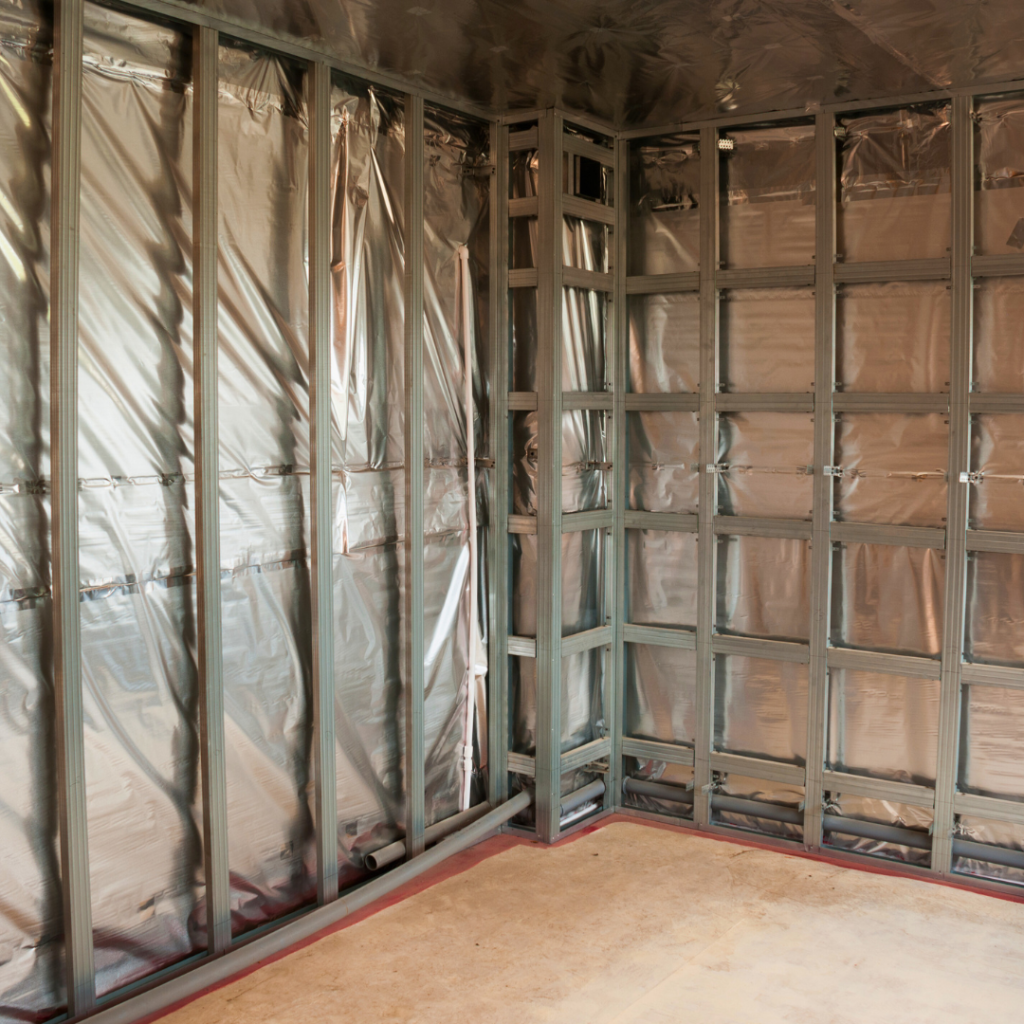
What is a vapour barrier?
Basements offer incredible value to a home, whether used for storage, as an additional living space, or even as a rental unit. However, basements are often susceptible to moisture issues, which can compromise comfort and air quality while leading to costly structural problems over time. Installing a vapour barrier as part of your basement renovation is a critical step to control moisture levels and protect your space from long-term damage.
In this blog, we will cover essential aspects of vapour barriers, including how to choose the right one, the role of vapour protection tape, installation areas, and the numerous benefits that come with this preventive measure.
Why is it vapour barrier important for basements?
A vapour barrier is a material, often made from polyethylene plastic or other moisture-resistant materials, designed to prevent moisture from penetrating walls and floors. Basements are prone to dampness because they’re below ground level, where soil moisture and condensation can easily enter through concrete, brick, or other porous building materials. When moisture seeps into a basement, it can lead to a range of problems:
- Mold and mildew growth: Excess moisture creates an ideal environment for mold and mildew, which can affect air quality and lead to respiratory issues.
- Structural damage: Over time, moisture can deteriorate concrete and wooden materials, potentially leading to cracks, rot, and costly repairs.
- Improved air quality and comfort: A vapour barrier keeps moisture out, which can reduce dampness and musty odours, making your basement a healthier and more comfortable space.
How do you choose the right vapour barrier for a basement?
Selecting the ideal vapour barrier for your basement depends on several factors, including material type, perm rating, placement, and budget. Polyethylene is a popular choice for basements due to its durability, moisture resistance, and affordability. For higher-moisture areas, thicker, multi-layer vapour barriers may provide enhanced protection.
A key aspect to consider is the perm rating, which measures how well the material resists moisture transfer; lower perm ratings (0.1 or less) are recommended for basements, as they effectively block moisture and prevent dampness. Placement also matters. In colder climates, installing the vapour barrier on the interior side of the wall is advisable to avoid trapping moisture within the wall cavities.
Finally, consider your budget and basement use; for example, if the basement will be used as a storage area, a basic polyethylene barrier should suffice. However, if the space is a high-traffic finished area, investing in a more durable, reinforced vapour barrier may be worthwhile. Thoughtfully choosing a vapour barrier suited to your basement’s needs will ensure maximum moisture protection and contribute to a long-lasting, comfortable basement.
What role does vapour protection tape play in the installation process?
Vapour protection tape is critical to achieving a fully effective vapour barrier, as it seals the seams and edges where moisture might otherwise penetrate. When two sections of the vapour barrier overlap, gaps can remain, allowing moisture to seep in. Applying vapour protection tape along these seams creates a continuous shield that stops moisture from entering these vulnerable areas.
Additionally, vapour protection tape is essential for sealing around tricky spots like corners, window edges, and irregular angles, which can be difficult to cover completely with the barrier material alone. The tape also adds durability, maintaining adhesion over time, even in conditions where humidity and temperature fluctuate. By ensuring a tight, seamless fit with vapour protection tape, you achieve an uninterrupted barrier that reinforces the moisture protection provided by the vapour barrier itself, ensuring your basement remains dry and well-protected.
Where should a vapour barrier be installed in a basement?
Knowing the correct placement for a vapour barrier in a basement is crucial to maximize its effectiveness. Here’s where it should typically be installed:
- Walls: Installing a vapour barrier along the interior side of the basement walls is essential to stop moisture from migrating through the concrete. This placement also prevents insulation or drywall from absorbing dampness.
- Floors: Concrete floors can let moisture seep upwards, especially in areas with high groundwater levels. A vapour barrier installed beneath the flooring, whether under concrete slabs or finished floors, prevents moisture from rising and damaging floor materials.
- Ceiling or rim joist: If there is concern about moisture transfer from the ceiling or exposed areas near the rim joist, adding vapour protection to these areas can help control moisture entering from above or the surrounding structure.
What are the benefits of using a vapour barrier in basement renovations?
Using a vapour barrier in your basement brings multiple benefits that extend the value and functionality of the space:
- Moisture control: Prevents moisture from entering the basement, reducing dampness and creating a more comfortable space.
- Mold prevention: A dry basement is less susceptible to mold and mildew, which can damage materials and negatively impact health.
- Improved Insulation efficiency: By keeping moisture out, a vapour barrier helps insulation work more effectively, maintaining consistent temperatures and reducing energy costs.
- Extended structural integrity: It protects structural elements like concrete and wood from moisture-related damage, reducing repair and maintenance needs over time.
- Enhanced property value: A well-maintained, moisture-free basement can increase the resale value of your home and make it more appealing to potential buyers.
Installing a vapour barrier is a smart investment that will keep your basement dry, comfortable, and well-protected against moisture-related issues for years to come. With high-quality materials, strategic placement, and secure sealing using vapour protection tape, your basement will remain a safe and functional space. Contact us at Basement Makers to schedule a consultation, and let us help you bring your vision to life with top-tier moisture protection!
