
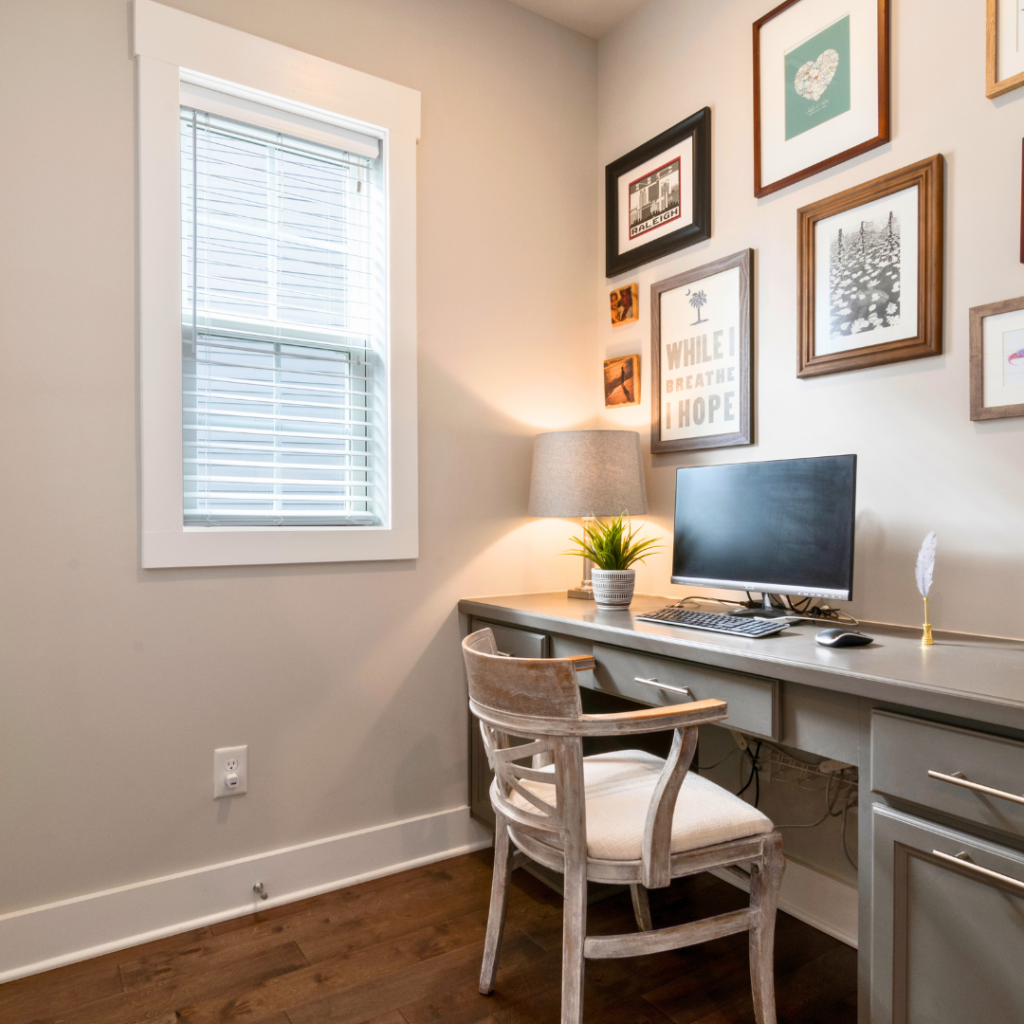
How to convert your basement into a home office: A step-by-step guide
In today’s remote work environment, having a dedicated home office is more important than ever. If you have an underutilized basement, converting it into a functional, comfortable home office is a great way to maximize your space while boosting productivity. Whether you’re a freelancer, entrepreneur, or employee working from home, a well-designed basement office can improve focus, organization, and your overall work-life balance.
In this guide, Basement Makers & Renovators will walk you through the essential steps to transform your basement into a professional, stylish, and functional home office. From assessing the space to choosing the right furniture and design elements, we’ll cover everything you need to know.
1. Assess the space and plan your basement office design
Before you begin any renovation work, it’s crucial to assess your basement’s layout, lighting, and overall functionality. Basements can come with unique challenges such as low ceilings, limited natural light, and moisture issues. Understanding the limitations of your space will help you make informed decisions as you plan your basement office conversion.
Key considerations:
- Ceiling height: Measure the ceiling height to ensure you have enough vertical space for comfort. A basement office may feel cramped if the ceilings are too low. If needed, consult with a contractor to explore options like lowering the floor or raising the ceiling.
- Natural light: Basements tend to have limited windows, so lighting becomes a crucial factor. If your basement has small or no windows, you’ll need to get creative with artificial lighting to create a well-lit environment.
- Moisture control: Basements are prone to moisture and dampness, which can cause mold and mildew. A basement office needs proper insulation, ventilation, and a moisture barrier. Install a dehumidifier or consider waterproofing solutions to keep the space dry.
2. Plan for comfort and functionality
Once you’ve assessed the space, it’s time to plan how to maximize comfort and functionality. A home office is more than just a desk and chair – it should be a space that supports your work habits and enhances productivity.
Room layout
- Desk placement: Position your desk near the largest window, if possible, to take advantage of natural light. Avoid placing it in a corner where it may feel isolated or cramped.
- Storage solutions: You’ll need a combination of storage for files, office supplies, and personal items. Built-in shelving units or a filing cabinet are practical solutions for keeping the space organized.
- Seating options: Comfort is key for a home office. Invest in an ergonomic chair that provides good lumbar support. Additionally, consider adding a small seating area for breaks, or a cozy nook for reading or brainstorming.
3. Install proper lighting for your basement office
Lighting is crucial for any office, but it becomes even more important in a basement setting. Without enough light, your productivity and mood can suffer. There are three main types of lighting to consider: ambient, task, and accent.
-
Ambient lighting: This is your general lighting that illuminates the whole space. Overhead ceiling lights or recessed lighting are good options for basements. LED lights are energy-efficient and provide a bright, clear light.
-
Task lighting: Task lighting focuses on the areas where you perform specific activities like reading or working at your desk. A desk lamp with adjustable brightness is an excellent option to focus light directly where you need it. You can also add under-cabinet lighting if you’re using built-in storage.
-
Accent lighting: Accent lighting adds warmth and style to your basement office. Use wall sconces, floor lamps, or even decorative LED strips to highlight certain features in the room, such as artwork or architectural details.
4. Flooring solutions for a basement office
The flooring in your basement is one of the most important aspects of converting it into a functional office space. Basements are often cold and damp, so the flooring should be durable, comfortable, and moisture-resistant.
Flooring options to consider:
- Vinyl flooring: Vinyl is an affordable and water-resistant option for basements. It comes in various styles, including wood-look designs that can give your office a warm, stylish appearance.
- Laminate flooring: Laminate is another durable and moisture-resistant option. It’s easy to clean and maintain and comes in a variety of textures and finishes.
- Carpet tiles: If you prefer a softer, more comfortable surface underfoot, carpet tiles can be a good option. These tiles are easy to replace if damaged and provide insulation against the cold.
- Engineered hardwood: If you’re looking for a more elegant touch, engineered hardwood can add a touch of luxury to your basement office. It’s more resistant to moisture compared to traditional hardwood.
5. Soundproofing your basement office
If your basement office is in a noisy area, or if you just want to create a quiet, focused environment, soundproofing can be an essential step. Noise distractions can hinder productivity and make it difficult to concentrate during meetings or phone calls.
Soundproofing tips:
- Insulate walls: Adding extra insulation to your basement walls can help reduce sound transfer. Foam board insulation or fiberglass batts are popular options for basements.
- Seal gaps: Ensure there are no gaps in your windows, doors, or around electrical outlets. Use weatherstripping or sealant to block out outside noise.
- Acoustic panels: Install acoustic foam or fabric-wrapped panels on the walls to absorb sound and improve the room’s acoustics.
- Area rugs: Carpeting or area rugs can reduce sound reflection and make the space feel cozier and quieter.
6. Hiring a professional renovator for your basement office
While some DIY enthusiasts may tackle a basement office conversion on their own, hiring a professional renovator can ensure the job is done right. Basement Makers & Renovators specializes in turning unused basements into functional living and working spaces.
By hiring an expert, you can avoid common pitfalls like poor lighting, insufficient ventilation, and moisture issues. A professional team will work with you to create a custom design tailored to your needs, budget, and style preferences.
Converting your basement into a home office is an excellent way to make the most of your space while enhancing productivity and comfort. With the right planning, design, and renovation expertise, you can turn your basement into a stylish, functional, and comfortable workspace that supports your work style and goals.
At Basement Makers & Renovators, we specialize in helping homeowners create the ideal basement office. Whether you need help with insulation, lighting, or layout design, our expert team can guide you through every step of the renovation process. Contact us today to get started on transforming your basement into the home office of your dreams! Get a free quote today!
Faq:
Do I need a permit to convert my basement into a home office?
Depending on local regulations, you may need a permit for electrical work, plumbing, or structural changes. It’s always best to check with your local authorities or a professional contractor.
How much does it cost to convert a basement into an office?
The cost of converting your basement will depend on factors such as the size of the space, the materials used, and the complexity of the renovation.
Can I use my basement office for client meetings?
Yes! With the right setup, including a comfortable seating area and a clean, professional appearance, your basement office can be used for meetings.
