
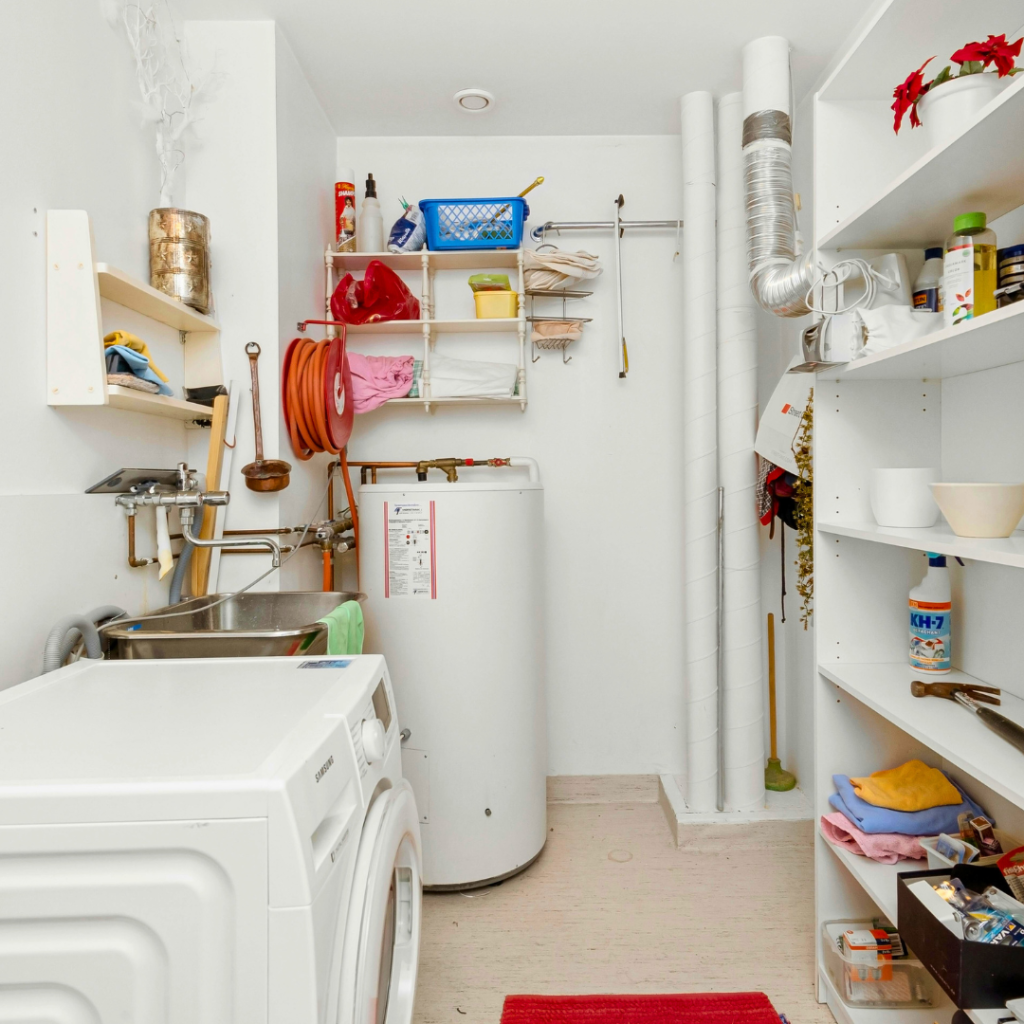
How to Create a Functional Basement Laundry Room
Transforming your basement into a laundry room is a smart way to make use of this often-overlooked space. Basements provide the ideal environment for a laundry room – they tend to be out of the way, providing more space for all the equipment, storage, and tasks that come with laundry day. However, creating a functional and aesthetically pleasing basement laundry room requires thoughtful planning and a few key design considerations. In this blog, we’ll show you how to design and organize a laundry room that works for your needs.
1. Assess Your Basement Space
Before you dive into renovations, the first step is to assess your basement. Take the time to measure the space and determine how much room you have to work with. Consider the following factors:
- Size and Layout: If your basement is large, you have plenty of flexibility in terms of layout and the addition of extra features. For smaller spaces, you’ll need to plan carefully to ensure everything fits.
- Ceiling Height: In many basements, the ceiling height might be lower than the rest of your home. Be sure to account for this when positioning appliances and shelves.
- Electrical and Plumbing Needs: The location of electrical outlets and plumbing connections will affect the design and layout. You may need to call in an expert to install additional outlets or water connections.
Tip: If you’re considering adding appliances like a washer or dryer, make sure your basement is equipped with the necessary hookups, or consult a professional to install them.
2. Plan for Proper Lighting
Basements, particularly those without windows, can feel dark and uninviting. Proper lighting is essential for any functional space, but especially in a laundry room, where you’ll need good visibility to sort, fold, and organize clothes. Inadequate lighting can make tasks feel cumbersome, so make sure to plan for it.
Lighting Tips:
- LED Recessed Lighting: Installing recessed lighting will brighten up the space and save headroom, which is especially useful if you have a low ceiling.
- Task Lighting: Include task lights directly above work areas like folding tables or counters. Under-cabinet lights can also be a great option for adding more light to darker corners.
- Natural Light (if possible): If your basement has windows, maximize the use of natural light during the day. You can place your laundry area near windows for better light flow.
3. Optimize Storage Solutions
One of the biggest challenges in creating a functional laundry room is ensuring there is enough storage for all the necessary supplies. Between detergents, fabric softeners, cleaning products, and other tools, keeping your laundry room organized can prevent clutter from building up.
Storage Solutions to Consider:
- Shelving and Cabinets: Wall-mounted shelves and cabinets are perfect for storing laundry essentials. You can install them above the washer and dryer for easy access.
- Laundry Hampers: Include built-in laundry hampers or baskets to separate clothes by colour or type. For smaller basements, you can opt for stackable or collapsible hampers that can be easily stored when not in use.
- Pull-Out Drawers: A pull-out drawer can be an efficient way to store detergents and fabric softeners out of sight but easily accessible.
Tip: Use clear containers for detergent and other supplies to make it easy to see when you’re running low.
4. Incorporate Counter Space for Folding and Sorting
Folding and sorting clothes are essential parts of the laundry process. Adding a folding counter will provide a designated area to fold clothes, preventing them from piling up on the floor or washing machine. If space is limited, a countertop above the washer and dryer can provide both a folding area and storage space.
Countertop Ideas:
- Butcher Block or Laminate: These materials are both affordable and durable. Butcher block adds warmth and a touch of rustic charm, while laminate is easy to clean and maintain.
- Multi-purpose Counter: If you don’t have a lot of space, you can create a countertop area that doubles as a workspace for other tasks, such as crafting or wrapping gifts.
5. Install a Utility Sink for Added Convenience
One of the best additions to a basement laundry room is a utility sink. This sink can be used for hand-washing delicate items, soaking stained clothes, or even rinsing out cleaning supplies. A utility sink provides added functionality and versatility to the space.
Sink Installation Tips:
- Placement: Install the utility sink near the washer and dryer for easy use.
- Size: Choose a deep sink so it can accommodate large items such as mop buckets, pet beds, or muddy shoes.
- Faucet: Opt for a faucet with a long reach to easily fill buckets or rinse larger items.
6. Ventilation and Moisture Control
Basements are prone to humidity, and washing machines can add to the moisture in the air, making proper ventilation essential. Without adequate airflow, your laundry room can quickly become damp and musty, potentially leading to mould growth.
Ventilation Tips:
- Exhaust Fan: Install a ceiling-mounted exhaust fan to help reduce moisture and improve airflow. A fan will help expel damp air and prevent moisture from accumulating in the room.
- Dehumidifier: If your basement tends to be very humid, consider using a dehumidifier to keep moisture levels in check.
- Drying Rack: If you prefer air-drying clothes, a drying rack is a great addition to a basement laundry room. Place it near your ventilation source to speed up drying times.
7. Choose Durable, Moisture-Resistant Flooring
Basements are often exposed to moisture, so it’s crucial to choose flooring that can withstand the occasional spill or humidity. Wet clothes and water from washing machines can damage some types of flooring, so durability is a key consideration.
Best Flooring Options:
- Vinyl or Laminate: Both of these materials are water-resistant, easy to clean, and available in a variety of styles. They can mimic hardwood or tile, offering versatility without the maintenance.
- Tile: Ceramic or porcelain tiles are water-resistant and durable. They are also easy to clean and maintain, which is important in a space where water is frequently present.
- Concrete with Sealant: If you already have concrete floors in your basement, consider sealing them for added protection against moisture.
Consider a Stackable Washer and Dryer for Small Spaces
For smaller basements, a stackable washer and dryer are a great option. These space-saving appliances allow you to use the vertical space in your basement, leaving more room for storage or other features. Many modern stackable units are designed to be just as efficient as side-by-side machines.
Tip: Look for energy-efficient stackable units to reduce water and electricity usage.
9. Keep the Space Aesthetically Pleasing
While function is a priority, a laundry room can still be stylish. Choose colours, materials, and finishes that reflect your personality and create a pleasant environment.
Design Tips:
- Bright Colours: Light colours such as whites, pastels, or soft greys can make a basement feel more open and airy.
- Wall Art and Accessories: Add a personal touch with framed prints, cute laundry-themed signs, or decorative baskets for extra storage.
- Floating Shelves: For a modern look, install floating shelves to display items or store essentials while keeping the space organized.
Creating a functional, efficient, and attractive basement laundry room doesn’t have to be difficult. With thoughtful planning, you can maximize your space and improve the functionality of your basement. From incorporating smart storage solutions to ensuring proper ventilation, every detail counts in making the space both practical and inviting.
Ready to start your basement laundry room renovation?
Contact Basement Makers and Renovators today! Our team of experts will help you design and build a laundry room that’s tailored to your needs and aesthetic preferences.
