
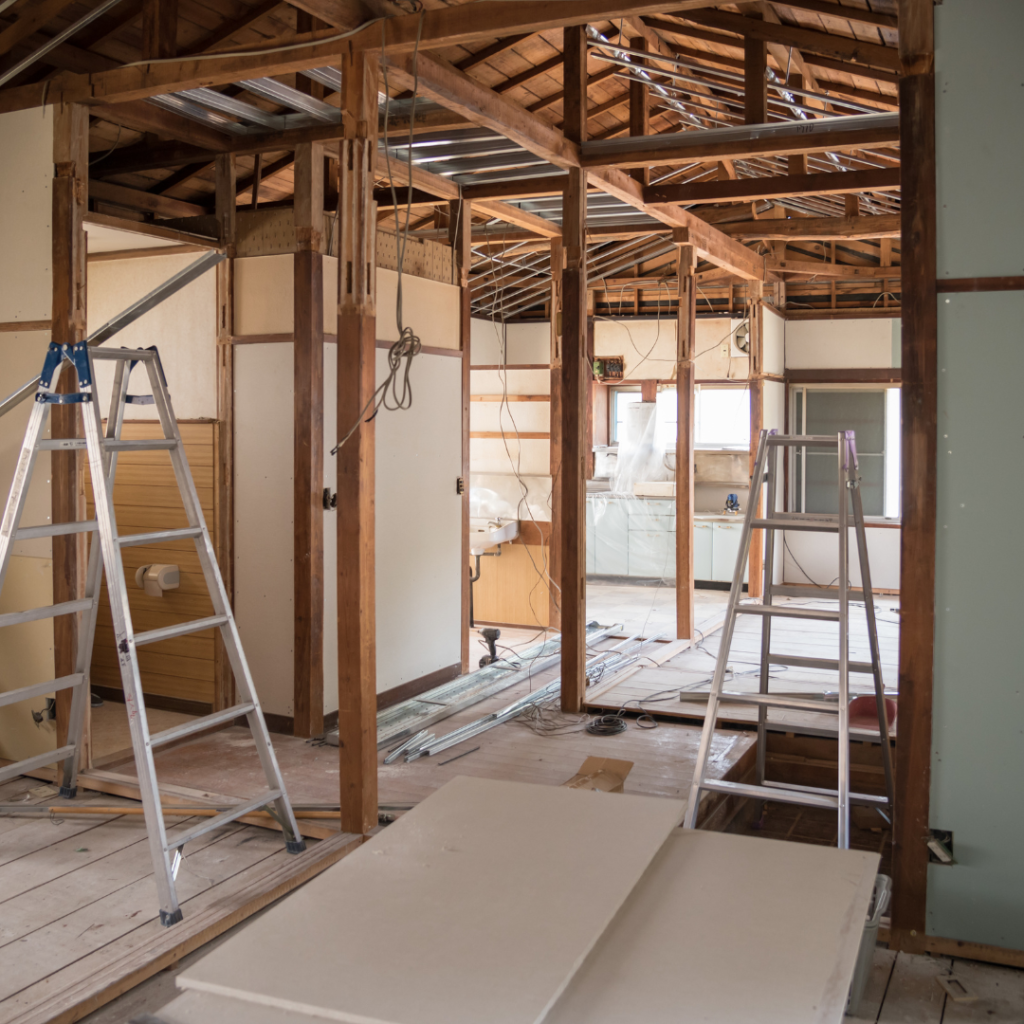
Basement renovations are a popular way to add valuable living space to your home, whether for a cozy family room, a home office, or a rental suite. However, the process isn’t without its challenges. Mistakes during a basement remodel can lead to costly repairs, delays, and even safety hazards.
To help you achieve a successful transformation, this blog explores the most common basement renovation mistakes and how to avoid them.
1. Ignoring Moisture Issues
Basements are naturally prone to moisture problems because they are located below ground level. Neglecting to address these issues before beginning renovations can result in water damage, mold growth, and structural issues down the line.
How to Avoid It:
- Inspect for Water Issues: Check for signs of water infiltration, like damp walls, musty smells, or water stains.
- Install Proper Drainage: Ensure that your home’s foundation has adequate drainage systems, such as a sump pump or weeping tiles.
- Waterproofing: Use waterproof membranes, sealants, and vapor barriers before finishing walls or floors.
- Grade the Landscape: Ensure the soil around your foundation slopes away from the home to prevent water pooling near the basement.
2. Skipping Permits and Inspections
Skipping permits to save time or money is a mistake that can lead to fines, renovation delays, and challenges if you ever decide to sell your home. Renovating without the proper permits also risks non-compliance with building codes, which could compromise the safety of your basement.
How to Avoid It:
- Check Local Requirements: Research the permits required for your renovation. This typically includes electrical, plumbing, and structural changes.
- Hire Professionals: Work with a licensed contractor familiar with local regulations to streamline the process.
- Plan Ahead: Factor permit approval times into your renovation timeline to avoid unnecessary delays.
3. Poor Layout Planning
A poorly planned layout can lead to awkward spaces, inadequate storage, or a lack of natural light in your basement. Failing to consider functionality during the design phase can significantly impact how comfortable and practical the space will be.
How to Avoid It:
- Define the Purpose: Decide how you plan to use the space, whether as a guest suite, a recreation area, or a gym.
- Maximize Natural Light: Incorporate larger windows or egress windows where possible, and use light-reflecting finishes to brighten the area.
- Balance Functionality and Aesthetics: Include plenty of storage options and consider furniture placement early in the design process.
4. Neglecting Insulation and Soundproofing
Basements are prone to feeling cold and damp. Without proper insulation, you may struggle with energy efficiency and comfort. Similarly, failing to soundproof the basement can make the space noisy and disruptive for other areas of the home.
How to Avoid It:
- Choose the Right Insulation: Use moisture-resistant insulation like spray foam or rigid foam boards to keep the space warm and dry.
- Install Soundproofing: Add sound-dampening materials, such as acoustic insulation or soundproof drywall, especially if the basement will include a home theater or playroom.
- Seal Gaps: Ensure that gaps around windows, doors, and utility penetrations are properly sealed.
5. Overlooking Lighting Needs
Basements often lack adequate lighting, making them feel dark and uninviting. Relying solely on overhead lighting can result in a cold, flat look.
How to Avoid It:
- Layer Lighting: Use a combination of ambient, task, and accent lighting to create a warm and functional space.
- Opt for LED Fixtures: Energy-efficient LED lighting is perfect for basements, providing bright illumination with minimal heat generation.
- Dimmer Switches: Install dimmers to customize lighting levels for different activities.
6. Failing to Address HVAC Needs
Many homeowners forget to properly extend heating, ventilation, and air conditioning (HVAC) systems into the basement. Without addressing climate control, the space can feel too hot, too cold, or stuffy.
How to Avoid It:
- Extend HVAC Ducts: Ensure that your HVAC system is adequately connected to the basement.
- Install Return Vents: Adding return air vents improves air circulation and helps regulate temperature.
- Consider Supplemental Heating or Cooling: If your HVAC system is insufficient for the new space, explore options like mini-split systems or baseboard heaters.
7. Using the Wrong Materials
Basements have unique conditions, including fluctuating temperatures, high humidity, and potential exposure to water. Using the wrong materials can lead to warping, mold growth, or damage.
How to Avoid It:
- Select Moisture-Resistant Materials: Use products designed for basement conditions, such as vinyl flooring, treated wood, and mold-resistant drywall.
- Avoid Carpeting: Instead, opt for area rugs or floor coverings designed to withstand moisture.
- Install Durable Finishes: Choose paint, sealants, and adhesives that are specifically designed for basement applications.
8. Poor Budget Management
A basement renovation is a significant financial investment, and overspending or running out of funds midway through the project is a common pitfall.
How to Avoid It:
- Set a Realistic Budget: Include a contingency fund of 10–15% for unexpected expenses.
- Prioritize Spending: Focus on essential upgrades like waterproofing and structural improvements before cosmetic features.
- Get Multiple Quotes: Compare costs from contractors and suppliers to find the best value for your money.
9. DIYing Complex Tasks
While DIY can save money, tackling tasks beyond your expertise can lead to costly mistakes or even unsafe conditions. Plumbing, electrical work, and structural changes are best left to the experts.
How to Avoid It:
- Hire Licensed Professionals: Invest in qualified contractors for specialized work.
- Know Your Limits: Focus your DIY efforts on simpler tasks like painting or assembling furniture.
- Consult Experts: Even if you want to be hands-on, consulting a pro can help you avoid common pitfalls.
10. Forgetting Egress Requirements
Building codes require basements with bedrooms to include egress windows for safe exits in emergencies. Failing to account for this requirement can make the space non-compliant and unsafe.
How to Avoid It:
- Install Egress Windows: Ensure each bedroom has an egress window that meets local building codes.
- Hire a Contractor: Consult a professional to handle the installation and ensure compliance.
- Plan for Accessibility: Make sure egress windows are easy to open and use in case of an emergency.
11. Skimping on Storage
In the excitement of creating new living spaces, homeowners often overlook storage needs, resulting in cluttered, disorganized basements.
How to Avoid It:
- Build-In Storage: Incorporate shelves, cabinets, or under-stair storage into your design.
- Use Vertical Space: Maximize storage potential by utilizing wall-mounted shelves and hooks.
- Plan for Future Needs: Anticipate your family’s storage requirements as they grow.
A basement renovation is an excellent way to add value and functionality to your home, but it’s essential to approach the project with careful planning and attention to detail. By avoiding these common mistakes and working with professionals where needed, you can create a space that is not only beautiful but also safe, comfortable, and durable.
Whether you’re dreaming of a home theater, a guest suite, or a gym, following these tips will help ensure your basement remodel is a success. At Basement Makers & Renovators, we specialize in helping homeowners create the ideal basement. Whether you need help with insulation, lighting, or layout design, our expert team can guide you through every step of the renovation process. Contact us today to get started on transforming your basement of your dreams! Get a free quote today!
